Welcome to Ashif Travels and Tours (Private) Limited
+94 11 429 4921
tours@ashiftours.com
#
=
Temple of the tooth
Temple of the tooth
1. Historical Significance: The tooth relic is believed to have been brought to Sri Lanka in the 4th century CE, following Buddha's death. Over time, it became a symbol of kingship, with whoever possessed the relic being seen as the legitimate ruler of Sri Lanka.
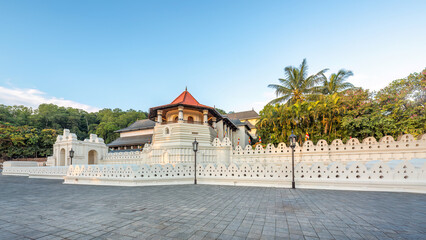
2. Location: The temple is situated in the royal complex of the former Kandyan Kingdom in the city of Kandy, which is a UNESCO World Heritage Site. Kandy was the last capital of the ancient kings of Sri Lanka, making the temple even more important.
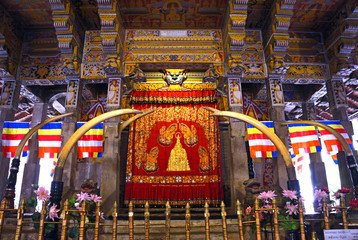
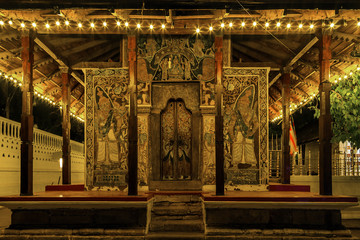
3. Architecture: The temple features a blend of traditional Kandyan architectural styles with ornate decorations, intricate carvings, and golden details. The structure includes several halls, shrines, and a museum dedicated to the tooth relic.
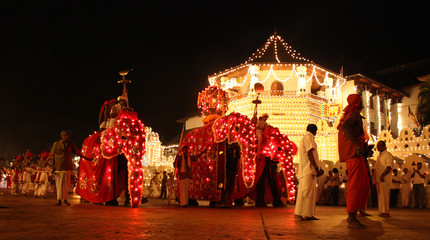
4. The Tooth Relic: The relic itself is kept in a gold casket, which is housed within a series of protective enclosures. It is not directly visible to the public, but the temple holds elaborate rituals and ceremonies, especially during the annual **Esala Perahera** festival, where the relic is paraded through the streets of Kandy.
5. Cultural Importance: The Temple of the Tooth is a pilgrimage site for Buddhists from around the world. The temple’s surrounding grounds also include various shrines, a sacred Bodhi tree, and other important Buddhist sites.
6. Esala Perahera: The **Esala Perahera** is one of Sri Lanka's oldest and grandest festivals, held annually in honor of the Tooth Relic. The event features processions of elephants, dancers, drummers, and performers, and the sacred relic is carried in a lavishly decorated golden casket.